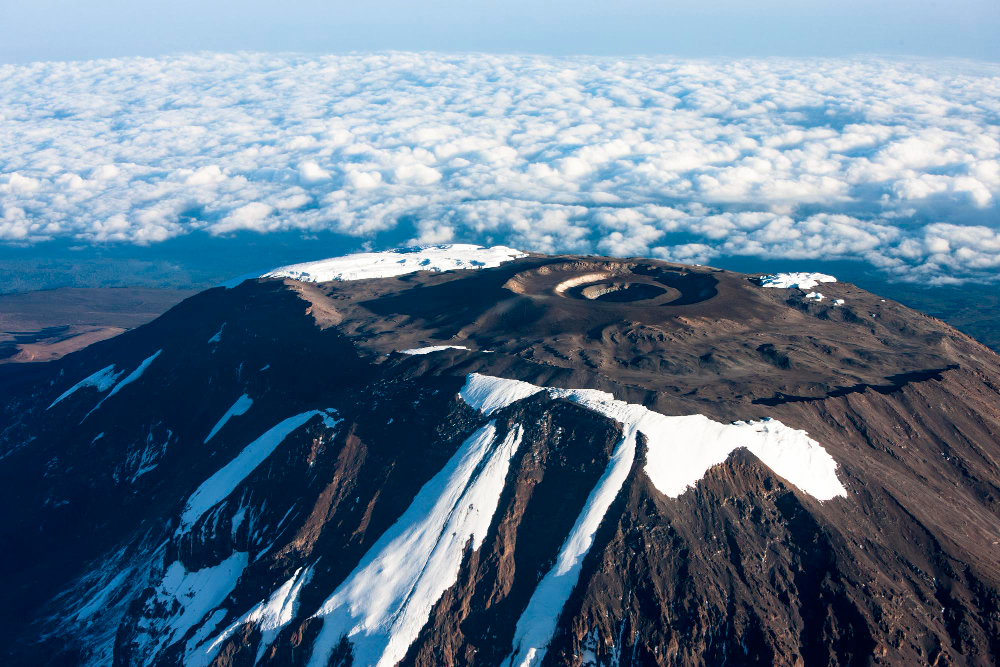

Standing at 5,895 meters above sea level, Mount Kilimanjaro is the highest mountain in Africa and one of the world’s most iconic trekking destinations. Rising above the plains of northern Tanzania, Kilimanjaro attracts thousands of adventurers every year who dream of standing on the “Roof of Africa.”
Unlike many major mountains, Kilimanjaro does not require technical climbing skills, making it achievable for many travelers with proper preparation, determination, and guidance. For some, climbing Kilimanjaro is a personal challenge. For others, it is a lifelong dream or a once-in-a-lifetime adventure.
Regardless of the reason, the experience of climbing Kilimanjaro is unforgettable.
Why Kilimanjaro Is So Special
Mount Kilimanjaro is not only Africa’s tallest mountain — it is also the tallest free-standing mountain in the world.
One of the most fascinating parts of the climb is the dramatic change in environments as trekkers ascend the mountain. The journey takes climbers through multiple climate zones:
* Rainforest
* Heath and moorland
* Alpine desert
* Arctic summit zone
It is often described as walking from the equator to the Arctic in just a few days.
Every stage of the climb offers completely different scenery, temperatures, and landscapes.
Do You Need Climbing Experience?
One of the most common questions travelers ask is whether prior climbing experience is necessary.
The answer is no.
Kilimanjaro is considered a trekking mountain rather than a technical climbing mountain. Most routes involve hiking rather than rock climbing. However, reaching the summit still requires:
* Good physical fitness
* Mental determination
* Proper acclimatization
* Experienced guides
The altitude is usually the biggest challenge, not the terrain itself.
Understanding Altitude and Acclimatization
Altitude affects every climber differently. As elevation increases, oxygen levels decrease, making breathing more difficult.
Common altitude symptoms may include:
* Headaches
* Fatigue
* Nausea
* Dizziness
* Difficulty sleeping
The key to a successful summit is acclimatization — allowing the body time to adapt gradually to the altitude.
This is why longer routes generally have better summit success rates. Spending additional days on the mountain gives climbers more time to adjust.
Professional guides carefully monitor climbers throughout the trek to ensure safety.
Popular Kilimanjaro Routes
There are several official Kilimanjaro routes, each offering different scenery, difficulty levels, and acclimatization profiles.
Machame Route
One of the most popular routes because of its scenic beauty and good acclimatization profile.
Lemosho Route
Known for stunning scenery and high summit success rates due to longer duration.
Marangu Route
Sometimes called the “Coca-Cola Route,” it is the only route with hut accommodations instead of tents.
Rongai Route
Approaches the mountain from the northern side and is usually quieter.
Northern Circuit Route
The longest route with excellent acclimatization and panoramic views.
Umbwe Route
Steeper and more challenging, recommended for experienced trekkers.
At PK Adventure, climbers can choose routes based on fitness level, schedule, and trekking preferences.
What Is Summit Night Like?
Summit night is often the most challenging and emotional part of the climb.
Trekkers usually begin around midnight in freezing temperatures and darkness. The goal is to reach Uhuru Peak at sunrise.
The final ascent can feel physically and mentally demanding because of:
* High altitude
* Cold temperatures
* Thin air
* Fatigue
However, watching the sunrise above the clouds from Africa’s highest point is an experience many climbers describe as life-changing.
The sense of achievement is extraordinary.
How Fit Do You Need to Be?
You do not need to be an elite athlete to climb Kilimanjaro, but preparation is extremely important.
Good preparation may include:
* Hiking practice
* Cardio training
* Leg strength exercises
* Endurance activities
* Walking with a backpack
Mental resilience is equally important. The climb involves long trekking days and physically demanding conditions.
Consistency matters more than extreme fitness.
What to Pack for Kilimanjaro
Packing correctly can greatly improve comfort and safety during the trek.
Essential items include:
* Waterproof hiking boots
* Warm insulated jacket
* Base layers
* Gloves and hat
* Sleeping bag
* Trekking poles
* Sunglasses
* Sunscreen
* Headlamp
* Reusable water bottles
Weather conditions can vary dramatically during the climb. Temperatures near the summit can drop well below freezing even when conditions at the base are warm.
Many trekking companies provide detailed packing lists to help climbers prepare properly.
The Importance of Local Guides and Porters
Kilimanjaro climbs are only permitted with licensed guides.
Guides, porters, and cooks play an essential role in every expedition. They:
* Carry equipment
* Prepare meals
* Set up camps
* Monitor safety
* Encourage climbers
* Manage logistics
Their experience and support often become one of the most appreciated parts of the journey.
Choosing an ethical operator that treats porters fairly is extremely important.
Best Time to Climb Kilimanjaro
Kilimanjaro can technically be climbed year-round, but some seasons are more favorable.
January to March
Cooler conditions with occasional snow near the summit.
June to October
Dry season and one of the most popular climbing periods.
November and April-May
Rainier seasons with wetter trail conditions.
Dry seasons generally provide better visibility and more comfortable trekking conditions.
Combining Kilimanjaro With Safari and Zanzibar
Many travelers combine their Kilimanjaro climb with:
* A Tanzania safari
* Zanzibar beach holiday
This combination creates an incredible East African adventure:
* Mountain trekking
* Wildlife experiences
* Tropical island relaxation
Several operators, including PK Adventure, offer customized itineraries combining all three experiences into one seamless journey.
Is Climbing Kilimanjaro Worth It?
For most climbers, the answer is absolutely yes.
The journey is about much more than reaching the summit. It is about:
* Personal growth
* Perseverance
* Teamwork
* Nature
* Adventure
* Perspective
The climb challenges both body and mind while rewarding trekkers with extraordinary landscapes and unforgettable moments.
Standing on Uhuru Peak at sunrise, surrounded by glaciers and clouds, becomes a memory that lasts forever.
Final Thoughts
Climbing Mount Kilimanjaro is one of the world’s greatest adventures. It combines physical challenge, breathtaking scenery, and emotional achievement in a way few experiences can match.
Whether you are an experienced trekker or a first-time adventurer, Kilimanjaro offers an opportunity to push beyond comfort zones and experience Tanzania in a truly extraordinary way.
With experienced local teams like PK Adventure, climbers can approach the mountain with confidence, safety, and expert support while focusing on the journey itself.